מפת המסלול · הפרק הקודם · הפרק הבא
בסוף הפרק: חיבור אדום מלמעלה למטה או כחול משמאל לימין מוכרז כניצחון, ומשחק נוסף נחסם.
הרעיון
שכני תא הם ההיסטים (-1,0), (-1,+1), (0,-1), (0,+1), (+1,-1), (+1,0). נתחיל בתאי שפת הפתיחה של השחקן ונעבור בעזרת ArrayDeque רק על אבנים מחוברות בצבעו. visited מונע ביקור חוזר. אם אדום הגיע לשורה 6 או כחול לעמודה 6, יש מנצח. play שומרת את המנצח ואז מחליפה שחקן גם במהלך סופי, כדי שקידוד היורש בפרק 5 יהיה עקבי.
מהציור לגרף של קשרים
מסלול מנצח יכול להתפתל. לכן נחשוב על כל תא כצומת בגרף, ועל שכנות בין תאים כקשר. בזמן חיפוש עבור אדום נעבור רק בין אבנים אדומות; מיקום הפיקסלים של המשושים אינו משתתף בהחלטה.
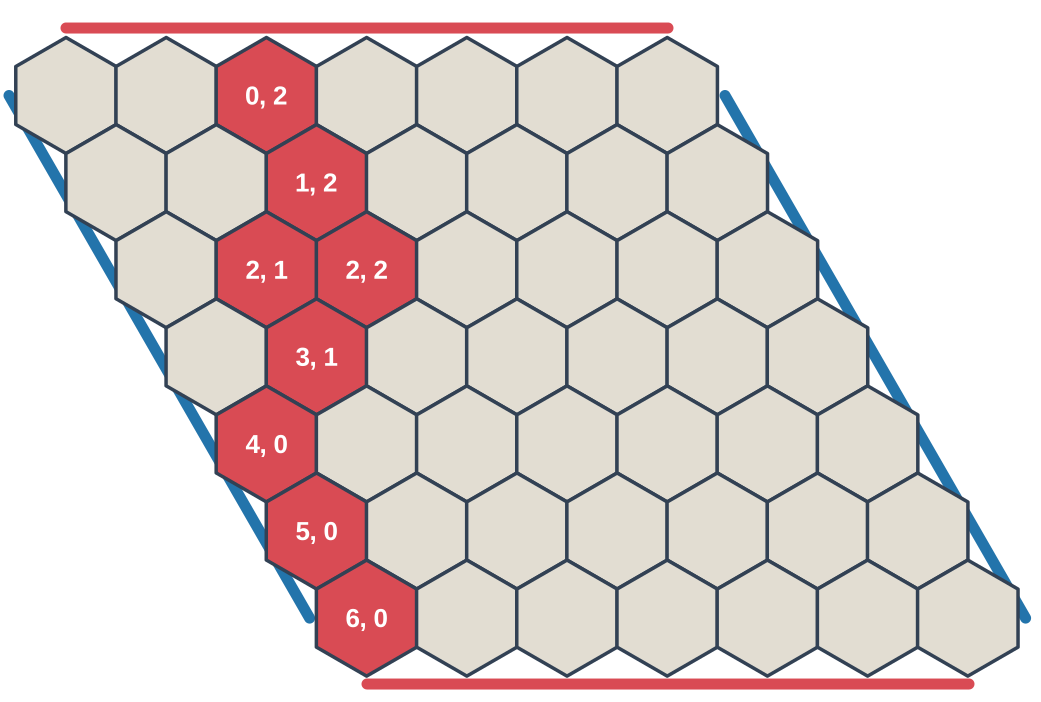
לפניכם שתי דרכים להציג את אותן אבנים אדומות: במקומן על לוח המשושים, וכצמתים בגרף. כל זוג מספרים הוא שורה ועמודה, החל מ־0. בלוח מוצגות רק האבנים האדומות כדי להתמקד בחיבור; הגרף מציג חלק מקשרי השכנות ביניהן. הקשרים העבים בגרף מסמנים מסלול שמגיע משורה 0 לשורה 6.
הקשרים בגרף
%%{init: {'flowchart': {'rankSpacing': 28, 'nodeSpacing': 30, 'padding': 12}}}%%
flowchart TB
    r0["0, 2"] === r1["1, 2"]
    r1 === r2["2, 1"]
    r2 === r3["3, 1"]
    r3 === r4["4, 0"]
    r4 === r5["5, 0"]
    r5 === r6["6, 0"]
    r1 --- branch["2, 2"]
    branch --- r2
    classDef stone fill:#fee2e2,stroke:#b91c1c,color:#7f1d1d,stroke-width:2px;
    class r0,r1,r2,r3,r4,r5,r6,branch stone;
עקבו אחר אותם מספרי תאים בשני התרשימים. התא (2, 2) יוצר עם התאים (1, 2) ו־(2, 1) משולש של שכנויות: על הלוח אלה משושים שנוגעים זה בזה, ובגרף אלה שלושה צמתים מחוברים.
מתחילים מכל האבנים האדומות בשורה 0 ומכניסים אותן לתור. בכל צעד מוציאים תא, בודקים אם הגיע לשפת היעד, ומוסיפים שכנים אדומים שטרם ביקרנו בהם. visited מונע סיבוב חוזר במעגל, כמו המשולש שמופיע בתרשימים. אם התור התרוקן לפני שהגענו ליעד, אין עדיין חיבור מנצח.
עבור כחול מפעילים אותו רעיון: מתחילים בעמודה 0, עוברים רק בין אבנים כחולות ומחפשים הגעה לעמודה 6.
לפני הקוד: אם נגדיל את המשושים המצוירים בלי לשנות את האבנים, האם המנצח יכול להשתנות? מה בשני התרשימים מסביר זאת?
עורכים את הקבצים
עבדו לפי סדר התלות: משאבים ותלויות לפני קוד שמפנה אליהם; מחלקת חוקים לפני ה־Activity.
strings.xml
מיקום: app > res > values. המשאב מרכז צבעים, מחרוזות או theme שהמסך משתמש בהם. שנו רק את השורות המוצגות.
     <string name="board_description">Seven by seven Hex board</string>
     <string name="status_red_turn">Red to move</string>
     <string name="status_blue_turn">Blue to move</string>
+    <string name="status_red_wins">Red wins — top connected to bottom</string>
+    <string name="status_blue_wins">Blue wins — left connected to right</string>
 </resources>
HexGame.java
מיקום: app > kotlin+java > com.example.hex. מחלקת החוקים העצמאית. בחנו היכן המשחק משנה מצב והיכן הוא רק קורא אותו.
play אינה רק בדיקת רשות: היא דוחה מהלך לא חוקי, אבל אם הוא חוקי היא מניחה את האבן בלוח, בודקת אם נוצר ניצחון ומקדמת את התור. hasConnection רק קוראת את מצב הלוח כדי לבדוק חיבור; היא אינה מניחה אבן. תנאי play מתרחב כדי לדחות גם משחק שכבר הוכרע; השינוי המלא מופיע ב־diff שלהלן.
הוסיפו את השכנויות, את שמירת המנצח ואת חיפוש החיבור. התיעוד הכללי של play כבר קיים מפרק 2; כאן מרחיבים את החוקים שהיא מפעילה.
 package com.example.hex;

+import java.util.ArrayDeque;
 import java.util.Arrays;

 /**
  * Stores a square Hex position and its game rules.
     public static final int RED = 1;
     /** Player value for Blue, whose goal is to connect left to right. */
     public static final int BLUE = 2;

+    private static final int[][] NEIGHBORS = {
+            {-1, 0}, {-1, 1}, {0, -1}, {0, 1}, {1, -1}, {1, 0}
+    };
+
     private final int size;
     private final int[] cells;
     private int currentPlayer;
+    private int winner = EMPTY;

     /**
      * Places the current player's stone and advances the turn when the move is legal.
      *
תחילה הרחיבו את תנאי הדחייה בתחילת play:
לפני
public boolean play(int row, int column) {
    if (isOutside(row, column)) {
        return false;
    }
    int index = index(row, column);
אחרי
public boolean play(int row, int column) {
    if (isOutside(row, column) || winner != EMPTY) {
        return false;
    }
    int index = index(row, column);
בהמשך play, מיד אחרי הנחת האבן, בדקו אם השחקן ניצח. לאחר סיום המתודה הוסיפו את חיפוש החיבור ואת שתי מתודות הקריאה של תוצאת המשחק:
         if (cells[index] != EMPTY) {
             return false;
         }

         cells[index] = currentPlayer;
+        if (hasConnection(currentPlayer)) {
+            winner = currentPlayer;
+        }
+        // Advance the turn even after the winning move.
         currentPlayer = otherPlayer(currentPlayer);
         return true;
     }

+    /**
+     * Detects a win by searching the player's connected stones between both goal edges.
+     * <p>TWIN-ID: HEX.WIN_CHECK
+     *
+     * This check reads the board without placing a stone or changing the game state.
+     *
+     * @param player {@link #RED} (top to bottom) or {@link #BLUE} (left to right)
+     * @return {@code true} if the player's stones connect their two goal edges
+     */
+    public boolean hasConnection(int player) {
+
+        // Mark cells when queued so each stone is examined at most once.
+        boolean[] visited = new boolean[cells.length];
+        // Breadth-first search: cells waiting to be examined.
+        ArrayDeque<Integer> frontier = new ArrayDeque<>();
+        // Seed every stone on the player's starting edge.
+        for (int i = 0; i < size; i++) {
+            // Red starts on row 0; Blue starts on column 0.
+            int row = player == RED ? 0 : i;
+            int column = player == RED ? i : 0;
+            int start = index(row, column);
+            // Empty and opposing cells cannot begin this player's path.
+            if (cells[start] == player) {
+                visited[start] = true;
+                frontier.add(start);
+            }
+        }
+
+        // Expand the connected region until it reaches the goal or runs out.
+        while (!frontier.isEmpty()) {
+            int position = frontier.removeFirst();
+            // Convert the one-dimensional cell index back to board coordinates.
+            int row = position / size;
+            int column = position % size;
+            // The opposite edge completes Red's vertical or Blue's horizontal path.
+            if ((player == RED && row == size - 1)
+                    || (player == BLUE && column == size - 1)) {
+                return true;
+            }
+            // Follow only the six neighboring cells on the Hex grid.
+            for (int[] offset : NEIGHBORS) {
+                int nextRow = row + offset[0];
+                int nextColumn = column + offset[1];
+                // Ignore coordinates outside the board before computing an index.
+                if (isOutside(nextRow, nextColumn)) {
+                    continue;
+                }
+                int next = index(nextRow, nextColumn);
+                // An unvisited stone of this color extends the connected path.
+                if (!visited[next] && cells[next] == player) {
+                    visited[next] = true;
+                    frontier.addLast(next);
+                }
+            }
+        }
+        // Every reachable stone was checked without finding the goal edge.
+        return false;
+    }
+
+    /** @return the winning player, or {@link #EMPTY} while no player has won */
+    public int getWinner() {
+        return winner;
+    }
+
+    /** @return {@code true} after either player has completed a connection */
+    public boolean isOver() {
+        return winner != EMPTY;
+    }
+
     /**
      * Returns the value stored at one board coordinate.
MainActivity.java
מיקום: app > kotlin+java > com.example.hex. ה־Activity מחברת בין View Binding, המשחק, הפקדים ועבודת המחשב. השאירו את הקוד שאינו מוצג ב־diff.
-    /** Updates the board and status text from the current game state. */
+    /** Updates the board, available controls, and status text from the current state. */
     private void render() {
         binding.boardView.setGame(game);
-        binding.statusText.setText(game.getCurrentPlayer() == HexGame.RED
-                ? R.string.status_red_turn : R.string.status_blue_turn);
+        binding.boardView.setEnabled(!game.isOver());
+        if (game.getWinner() == HexGame.RED) {
+            binding.statusText.setText(R.string.status_red_wins);
+        } else if (game.getWinner() == HexGame.BLUE) {
+            binding.statusText.setText(R.string.status_blue_wins);
+        } else {
+            binding.statusText.setText(game.getCurrentPlayer() == HexGame.RED
+                    ? R.string.status_red_turn : R.string.status_blue_turn);
+        }
     }
 }
מריצים ומוודאים
בצעו Sync אם שיניתם Gradle, ואז הפעילו את האפליקציה. שחקו מסלול אדום ומסלול כחול בשני משחקים. אחרי הודעת הניצחון, נגיעה נוספת לא מניחה אבן.
שאלת הבנה: למה אבנים שנראות סמוכות על המסך חייבות להיבדק לפי ששת ההיסטים?